Dadaocheng
The history of Dadaocheng plays out just like a thrilling business drama, and it can be boiled down to three main chapters:
1. How It All Started: A Tribal War and a Rice Field
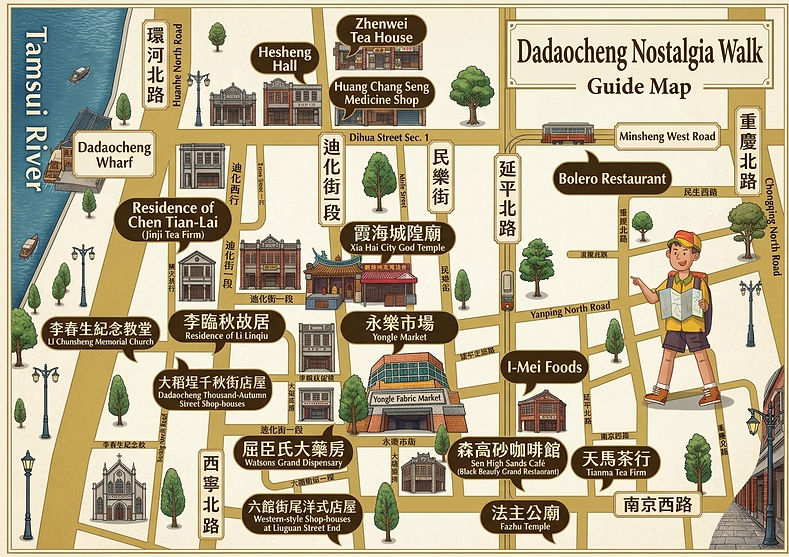
Dadaocheng literally means "a big open space for drying rice," and originally, that’s all it was—just a quiet plot of land by the Tamsui River. But everything changed in 1853 when a massive clan war broke out in neighboring Monga (today's Wanhua). The defeated Tong'an group fled here, bringing their guardian deity, the Xiahai City God, with them. This twist of fate unexpectedly set the stage for the birth of a new town.
2. The Golden Age: How Oolong Tea Put Formosa on the Map
In 1860, the Tamsui River officially opened for international trade. A British merchant named John Dodd teamed up with a local business tycoon, Li Chun-sheng, to process tea leaves right here in Dadaocheng. They marketed it to the US as "Formosa Oolong Tea," and it became an overnight sensation. Foreign trading houses and consulates rushed to set up shop, turning Dadaocheng into Taiwan's richest, most international hub—filled with the aroma of tea and money.
3. The Cultural Awakening: The Birthplace of New Taiwanese Culture
Fast forward to the Japanese colonial era, and Dadaocheng evolved into a major trading hub for dried goods, fabrics, and traditional herbs. Because the area was so wealthy and open-minded, it attracted the brightest minds. In 1921, Dr. Chiang Wei-shui founded the Taiwanese Cultural Association here, transforming Dadaocheng into the spiritual headquarters for Taiwan’s democracy movement and modern cultural awakening.
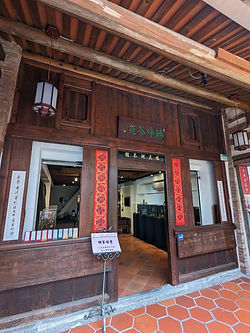
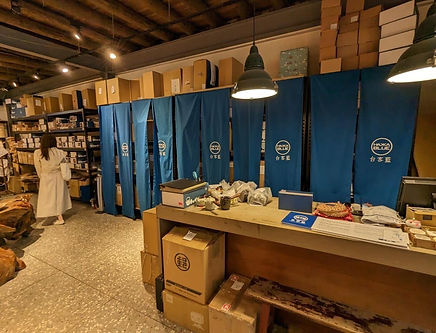
And today? Dadaocheng never became a dusty museum piece. Instead, century-old dried goods shops now stand side-by-side with trendy hipster cafes and independent bookstores inside beautiful historic buildings. It’s still reinventing itself, keeping that old-school Taipei riverfront magic alive.